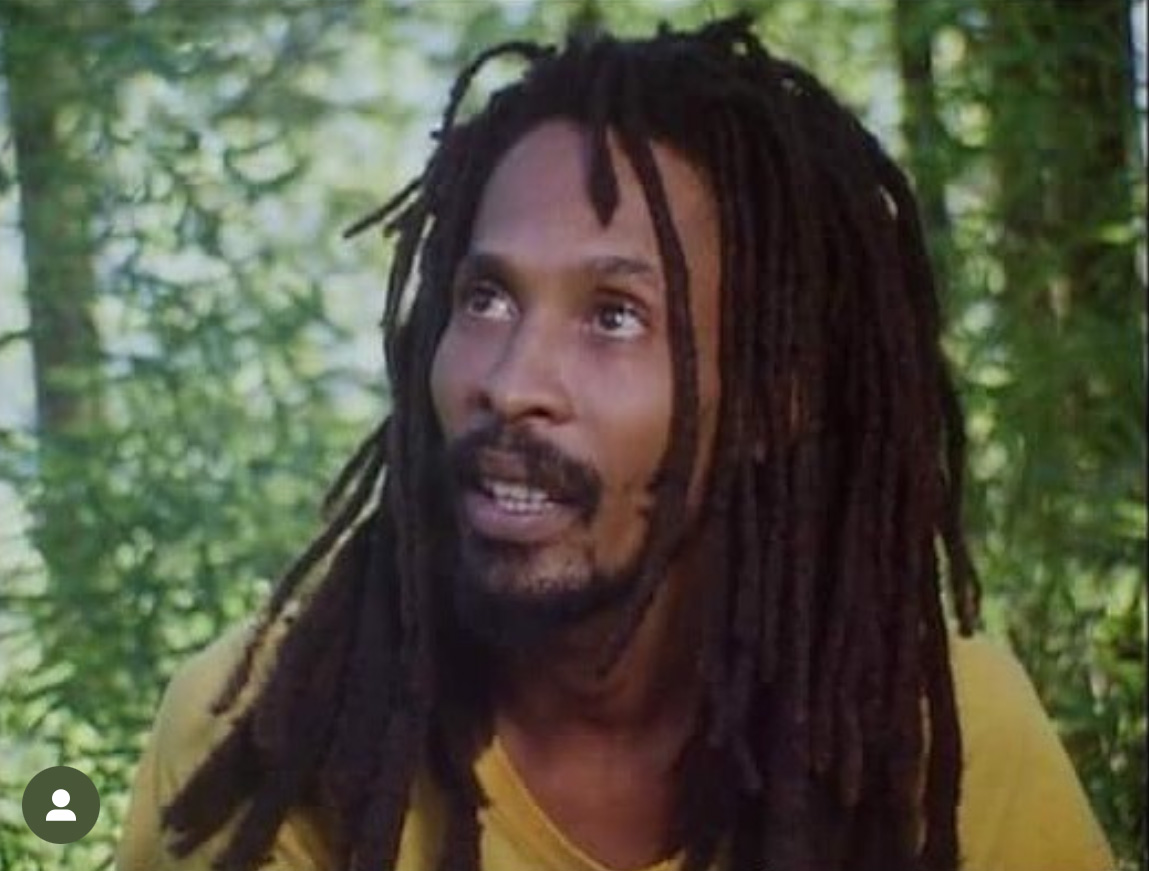
I was nervous about telephoning Neville Garrick, the graphic designer who created Bob Marley’s legendary album covers. For me, he was Jamaican royalty. It was 2018 and I was back home in Jamaica for several months. As a documentary filmmaker, I had conceived a film project set in Jamaica in the 1970s. One of the main persons I wanted in the film insisted that I get Neville Garrick involved. He was based in Los Angeles, so she gave me his number and suggested I call him. I texted him and he responded quickly with a message that I should call him. It took me a day to steady my nerves and call him, after I had rehearsed my pitch to him a few times. I needn’t have worried. He was friendly and warm. I told him about my previous documentary “The Price of Memory” about reparations and Rastafari in Jamaica. He mentioned that his ex-wife Colette, who I had recently met, had seen my film earlier and recommended it to him. He hadn’t seen it but he trusted her opinion. Our conversation went much better than I could have ever imagined. We talked for two hours and he agreed to work with me. It was like meeting a kindred spirit. He was funny, irreverent, frank.
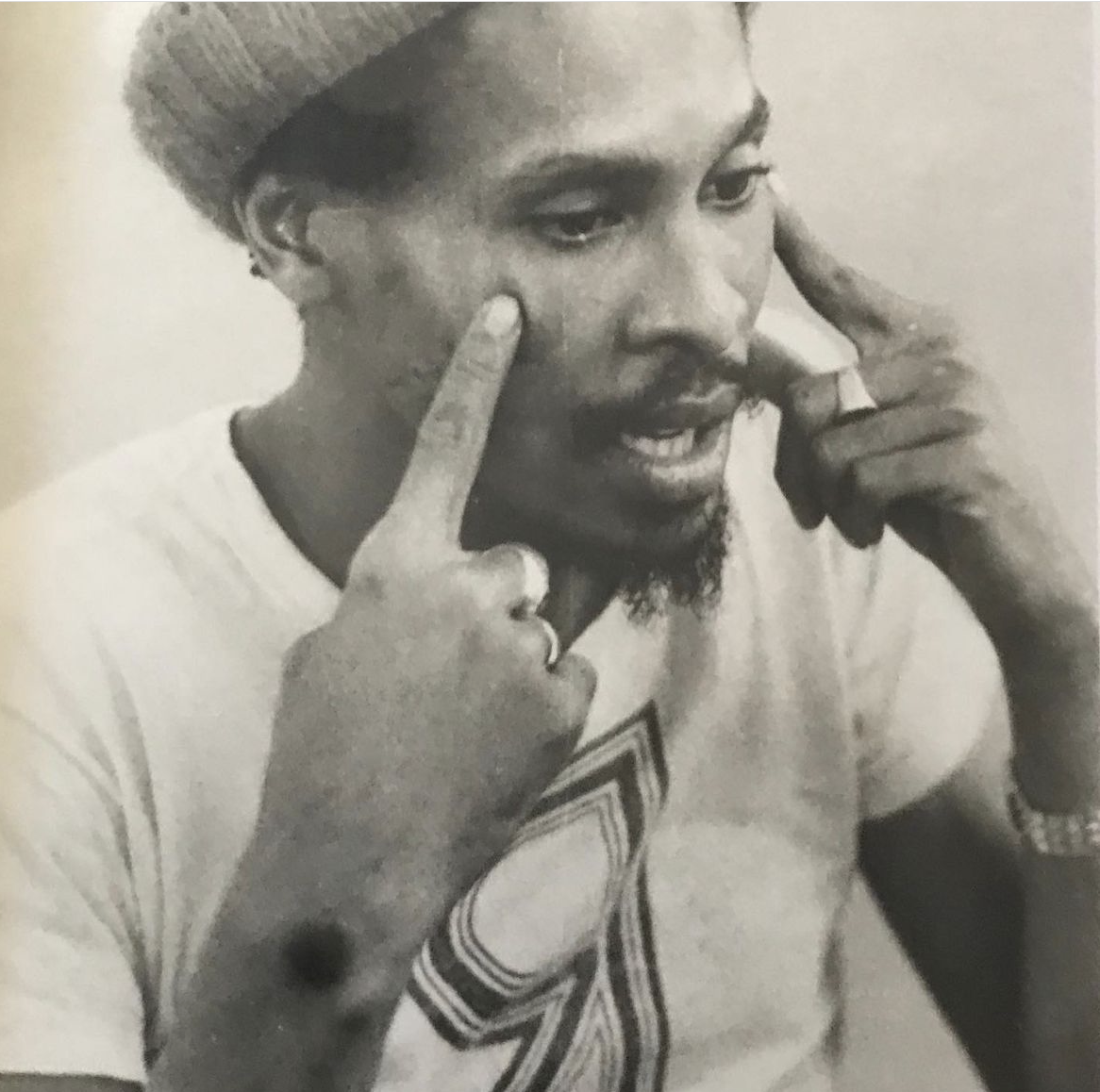
Speaking to Neville brought back childhood memories. The first and only time I saw Bob Marley alive, he was like medicine for Jamaica’s festering wounds. I grew up in Montego Bay, Jamaica’s second city, in the late 70s and 80s. During my childhood Marley was head of a pantheon of reggae music stars who formed the sound track of daily life. Bob Marley, Dennis Brown, Gregory Isaacs, Burning Spear, Peter Tosh and other stars were voices I heard blasted from the giant-sized speakers of Speng International Sound System down the road from my house. You heard it coming out of bars and taxis driving by, on the way home from school. At the same time, tensions were brewing between the country’s two political parties; the Cold War between the United States and Russia was playing out locally. I loved to read; I had read everything in my house worth reading and needed more, so my father assigned me to read the first few pages of the extra thick Gleaner newspaper which he bought on Sundays. I also loved to watch TV so he decided that I should also watch the evening news. As a result I became familiar, too familiar, with the political drama most of which was unfolding in low-income communities of the capital city, Kingston. The PNP was in power, led by Michael Manley who espoused democratic socialism and who had befriended our nearest neighbor Cuba. The JLP was led by Edward Seaga who was backed by the USA. Manley had come to power by popular vote but the US viewed him as a threat. Politicians in Kingston had organized youths in their constituencies into gangs which were fighting and killing others from the opposite side as they sought control. There was an attempted coup to oust Michael Manley. There were attacks and counterattacks on both sides which resulted in 800 dead that year. The news was a litany of violence; shootouts, firebombing, ambushes.
When I read of the events happening in Kingston, I felt great relief that I lived hours away in Montego Bay. We didn’t have the violence, but I started to see graffiti representing each political party in our sleepy coastal town. We had frequent powercuts and food shortages and often there were announcements of job layoffs and price increases on the radio. I saw adults twist their faces into knots arguing about JLP and PNP. Seaga was often on the news, saying Manley was going to turn the country communist. Friends of my family and friends at school were leaving for America and Canada. There was a ball of unspoken fear growing inside me. I would go to sleep at night and wake up in the morning to find myself laying in a soaking wet bed of pee. My mother would have me empty my bladder before bed every night, but it continued. I was forced to eat pawpaw seeds to supposedly strenghten my bladder.
I was thinking about all this when I spoke to Neville Garrick. Back in 1980, life felt like I was in a moving car where the wheels might come off at any time. One day, Bob Marley appeared on my black and white TV. It was my first time seeing him. The camera closed in on his face and his soulful, intense eyes. Then in a wider shot I saw Marley sitting on a stool, holding his guitar, looking out at me. There was no band, no back up singers. He plucked the strings of his guitar and he began to sing,
Old pirates, yes, they rob I;
Sold I to the merchant ships,
Minutes after they took I
From the bottomless pit.
But my hand was made strong
By the hand of the all mighty.
We forward in this generation
Triumphantly….
I was transfixed. As Marley sang and played his guitar, I felt like he was pouring light into me, strenghtening me. That was the first time I heard the song “Redemption Song.” I carried that moment with me for months. It was greater than anything I had been told to believe in. Less than a year later, I heard over the radio that Bob Marley had died. I had just discovered this man and now he was gone.
In the late 1990s, I bought Marley’s music as a college student living in New York City. That is when I noticed the album cover designs and became aware of Neville’s work. I am in awe of Neville Garrick’s achievement as an artist. He was groundbreaking because before him, no one had created such distinct Rastafari and Jamaican imagery on an album. Neville translated Marley’s music into poetic images which were used to market Marley’s music globally.
When Neville and I spoke for the first time in 2018, I only knew him from watching several documentaries about Bob Marley, where he was interviewed. I had seen photos and footage of Neville with Bob Marley on tour or playing football. He was Marley’s taller, slender friend. They were both young Rastafarian men. He was both the visual art director and Bob Marley’s close friend. In talking to him, I realized Neville’s life could have been very different. He was from a middle class Jamaican family, raised in Kingston, attended the famed Kingston College, one of Jamaica’s most prestigious high schools, and he went to university at UCLA in California. At UCLA, the African American icon Angela Davis was his professor. He laughingly told me he had had a huge crush on Angela Davis and she influenced him. He returned to Jamaica in the early 1970s after university and got a job working as Art Director at the Daily News newspaper. He spent a year there, during which time he also embraced Rastafari.
He was introduced to Bob Marley, left the newspaper to design album covers for Bob Marley’s Tuff Gong Records, and his life would never be the same. For several years, he designed the backdrops for the stage performances. He was in charge of the look of the stage and he traveled all over the world with the band.
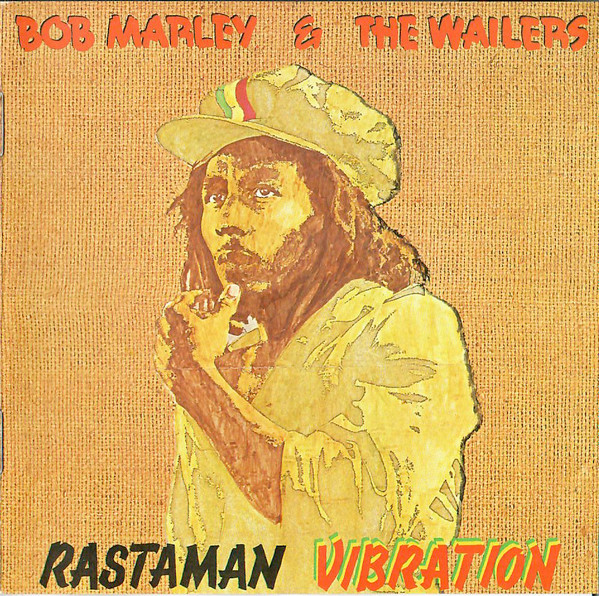
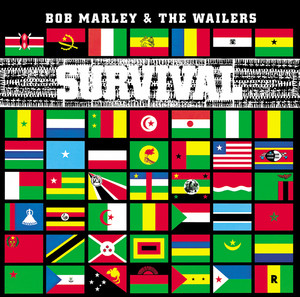
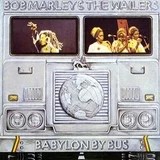
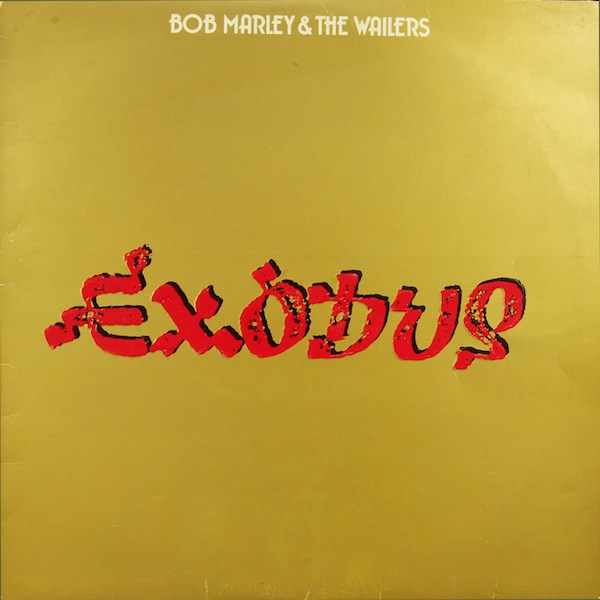
Neville is best known for Marley’s albums and with good reason. His designs are potent visual representation of the music. The first album cover that he designed for Bob Marley, Rastaman Vibration, was named among the top 100 Best Album Covers of All Time by Billboard Magazine. My favorite design of Neville’s is Bob Marley’s Survival album which features flags of African countries in a grid, with an image of the interior of a slave ship carrying Africans imposed across the top. Neville said, “I decided to use the flags of African countries. We didn’t have internet then, so I checked with the United Nations to make sure I got all the flags right! I didn’t include the flag of apartheid South Africa. Zimbabwe was still a colony so I included the flags of ZANU and ZAPU, the parties that were fighting to end colonial rule. And then the slaves on the ship obviously represent the African diaspora.”
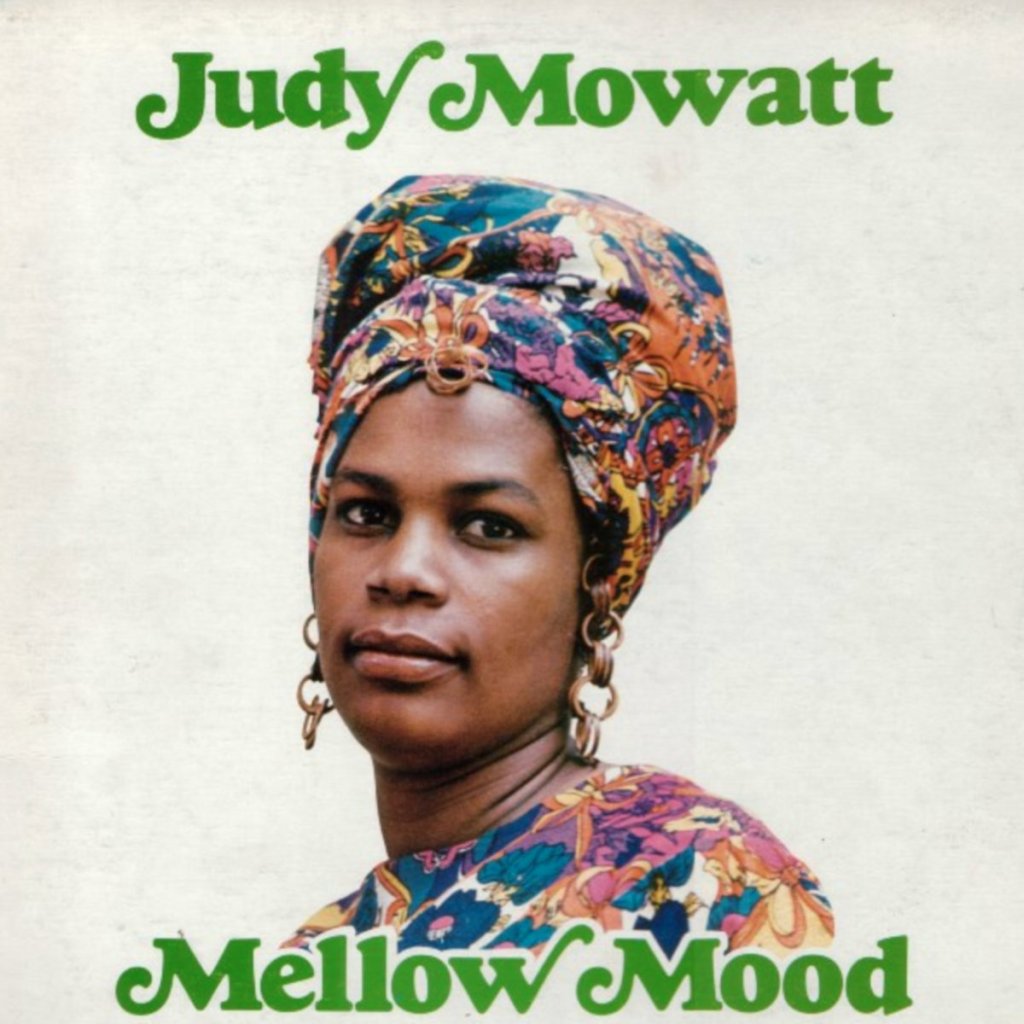
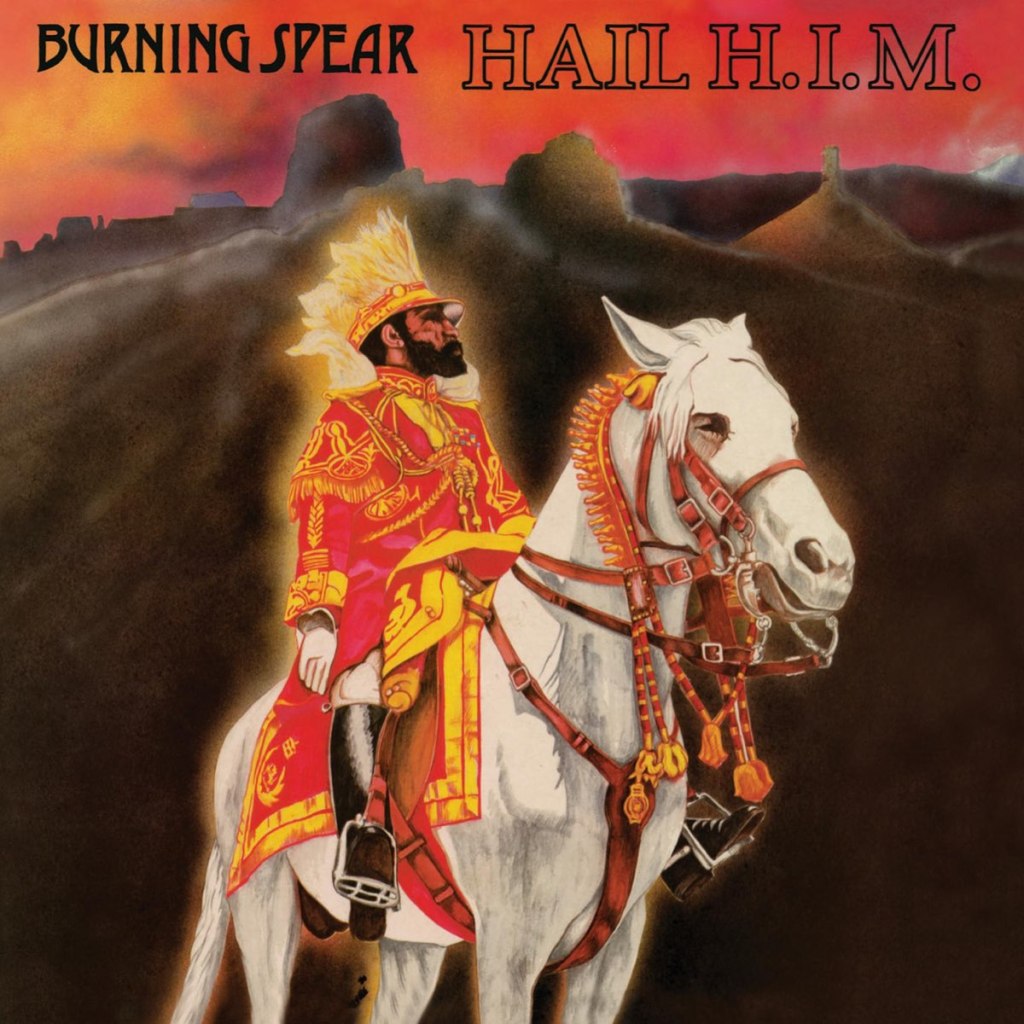
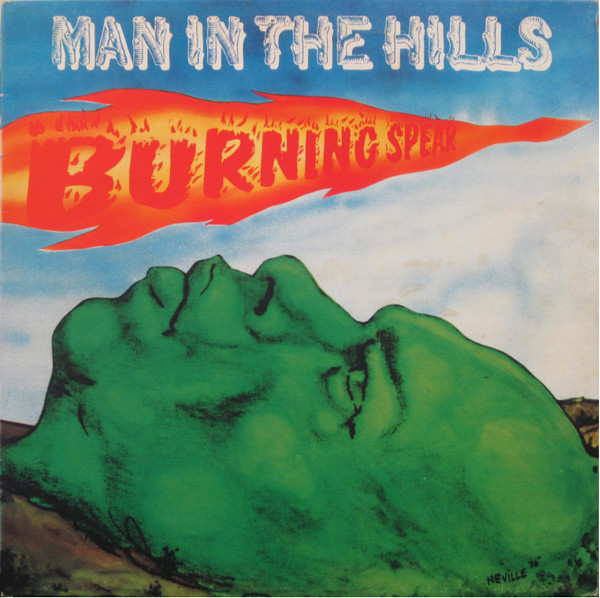
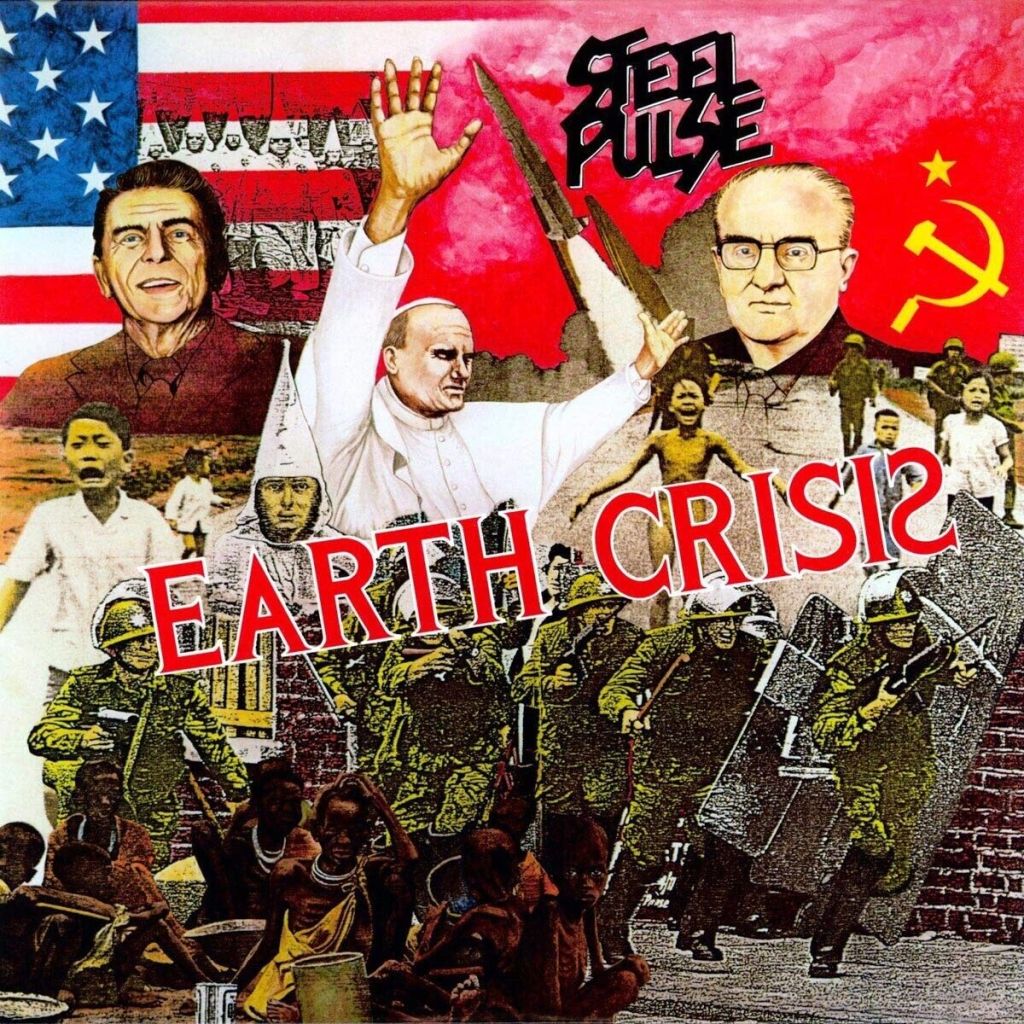
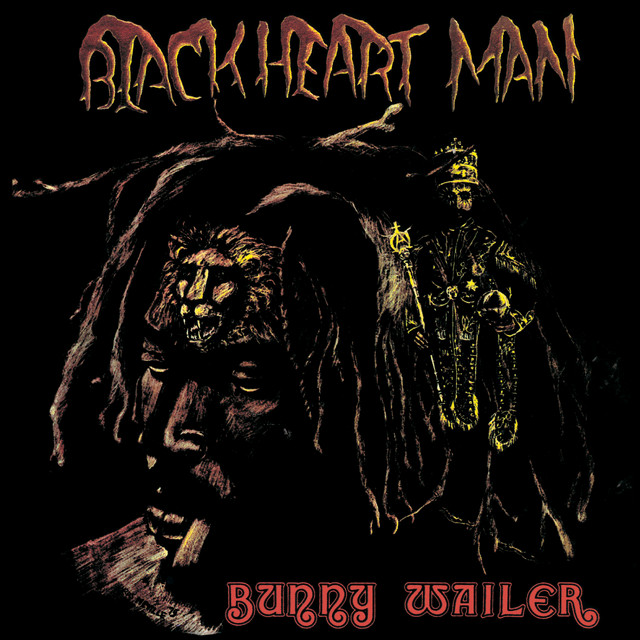
Neville’s impact extends beyond Marley. I learned from him that he designed album covers for Burning Spear, Peter Tosh, Junior Reid and many other artists. He designed over 100 album covers, spanning major artists in reggae, including Peter Tosh’s Nuclear War and Bunny Wailer’s Blackheart Man. His work contributed to selling millions of albums. No one has done more to tell reggae’s story visually than Neville.
A few Neville Garrick-designed album covers
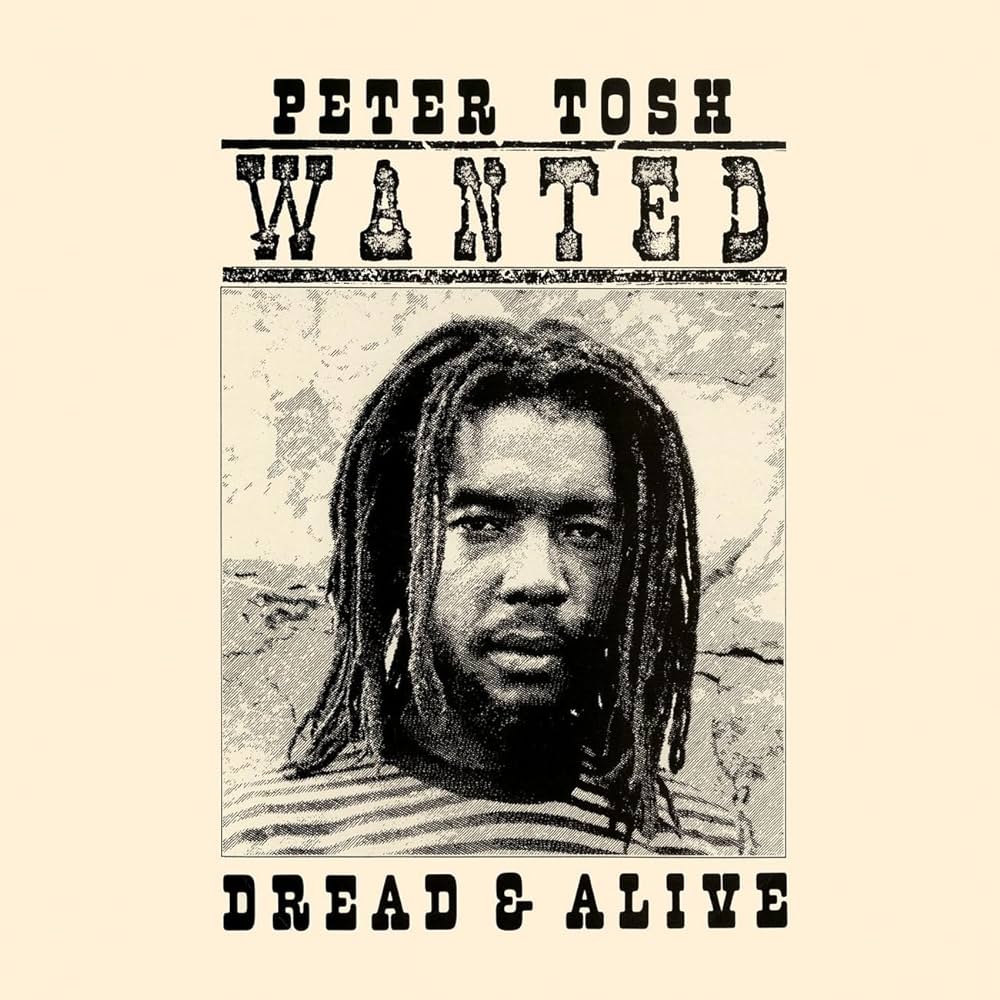
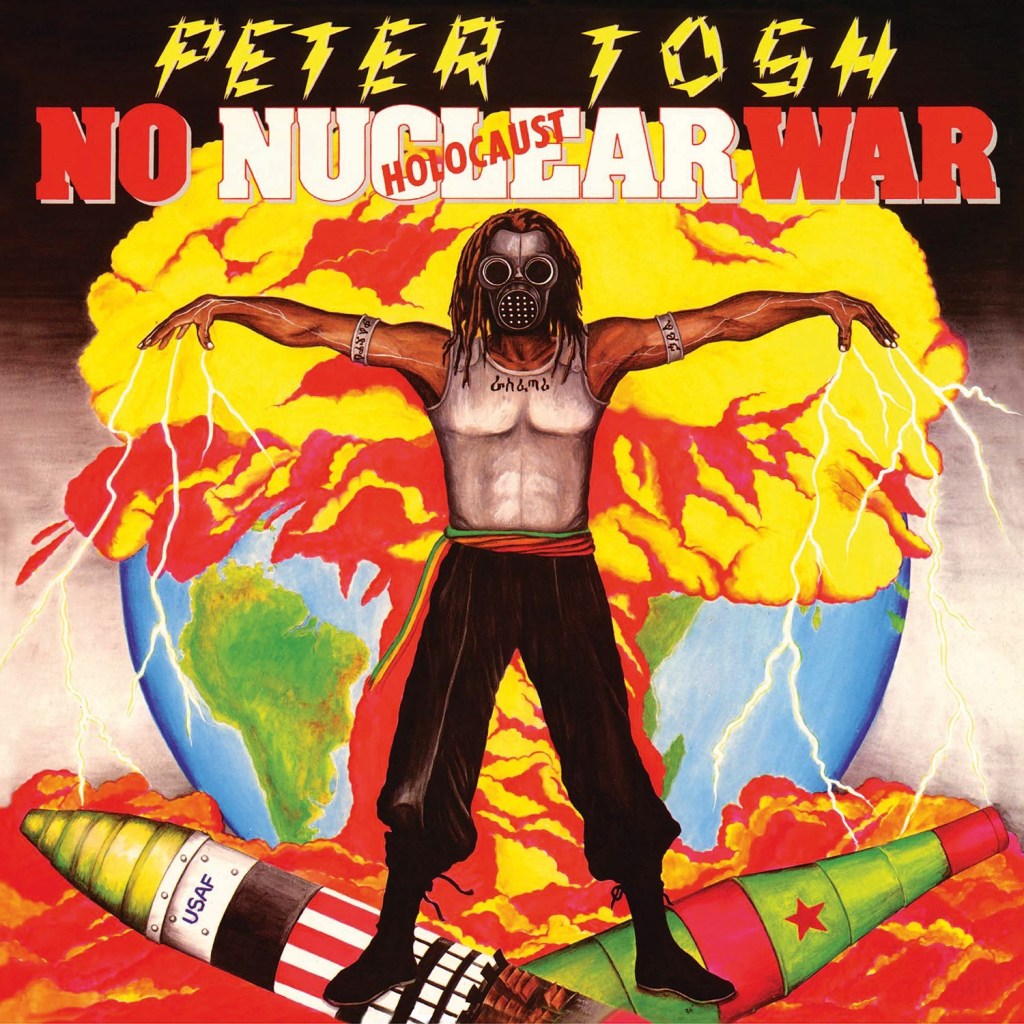

Unfortunately, the project which first put me in touch with Neville stalled. I moved on to other projects but we stayed in touch. Over the next three years, we spoke every few months and we would talk for about an hour each time. Each conversation with Neville was like a masterclass. I would learn something profound about him, about Jamaican history, about Rastafari, about his travels with Bob Marley, about being a professional artist. He was like an encyclopedia about African diasporic political history, spirituality and art. He was full of life and laughter and commentary and opinions. I was inspired that despite his accolades Neville still wanted to create. He was painting and he told me about a film he wanted to make.
In all our conversations, Neville and I rarely ever spoke about Marley. I felt like I knew all I had wanted to know about Bob as an artist. I never asked him much about Marley. The only thing I remember asking is: “When you met Bob, in the early days, did you believe he would have become the icon he became?” He said, “When we started out there were other artists around who were also really good. I knew what Bob was doing was special. But I never imagined in my wildest dreams, that he would become that famous. But as time passed and things happened you realized that you were a part of history.”
When Marley was shot in 1976 as political strife raged in Kingston, he decided to leave Jamaica for a while. Neville traveled with him first to Bahamas for a few weeks, and then to London, and he stayed there with him for six months. Neville spoke about the shock and trauma of Bob dying, and that for years, Bob’s legacy was “his other woman” which took him away from his family and his wife. There was such a demand on him by people wanting to know and hear more about Bob; he travelled constantly for much of the following decade.
He told me that he had saved everything he created and everything he could from their travels. After Marley passed away, a lot of Neville’s collection was used to create the Bob Marley museum at Marley’s former home in Kingston a few years later. That museum is one of the most visited attractions in Jamaica today. He also created a podcast where he talks about experiences with Marley for the millions of fans.
Neville’s loyalty to Bob Marley lead him to move from Jamaica to Los Angeles in the 1990s to be a consultant on a Hollywood movie about Bob Marley. The film didn’t happen and the idea of the movie went to various movie studios over more than 20 years. Neville told me he had worked with at least six different directors through different studios over the years. He said to me, “Of all of them, I think there was only one who I could say really got who Bob was and could have made the movie.” I was curious if he was Black. I asked what was different. “No, he wasn’t Black, he was white. But he’s the only one I can say could have really made a true movie about Bob.”
I thought that Neville should also tell his story about his own work. I told him he needed to have a traveling exhibition of all his artwork. I was pleased to hear from him that his son was making a documentary about him. He also mentioned that there had been various offers to give him a National Award from the government of Jamaica, but he had turned them down. He didn’t want an award, he wanted them to do more tangible investment in artists.
In 2021, by sheer coincidence, both Neville and I were in Jamaica at the same time. I was in Portland working on a documentary film when I saw that he posted on Facebook that his mother had passed away. I sent him a personal message. He responded that he was in Kingston for the funeral and that I should visit him. A few days later, my boyfriend and I drove to his parents’ home in Russell Heights. As we drove up into the hills past all the imposing houses and mansions of the upper middle-class neighborhood, I was thinking that as a very young man Neville abandoned what could have been a comfortable middle class life, embraced Rastafari and later joined Bob Marley’s mission, making history.
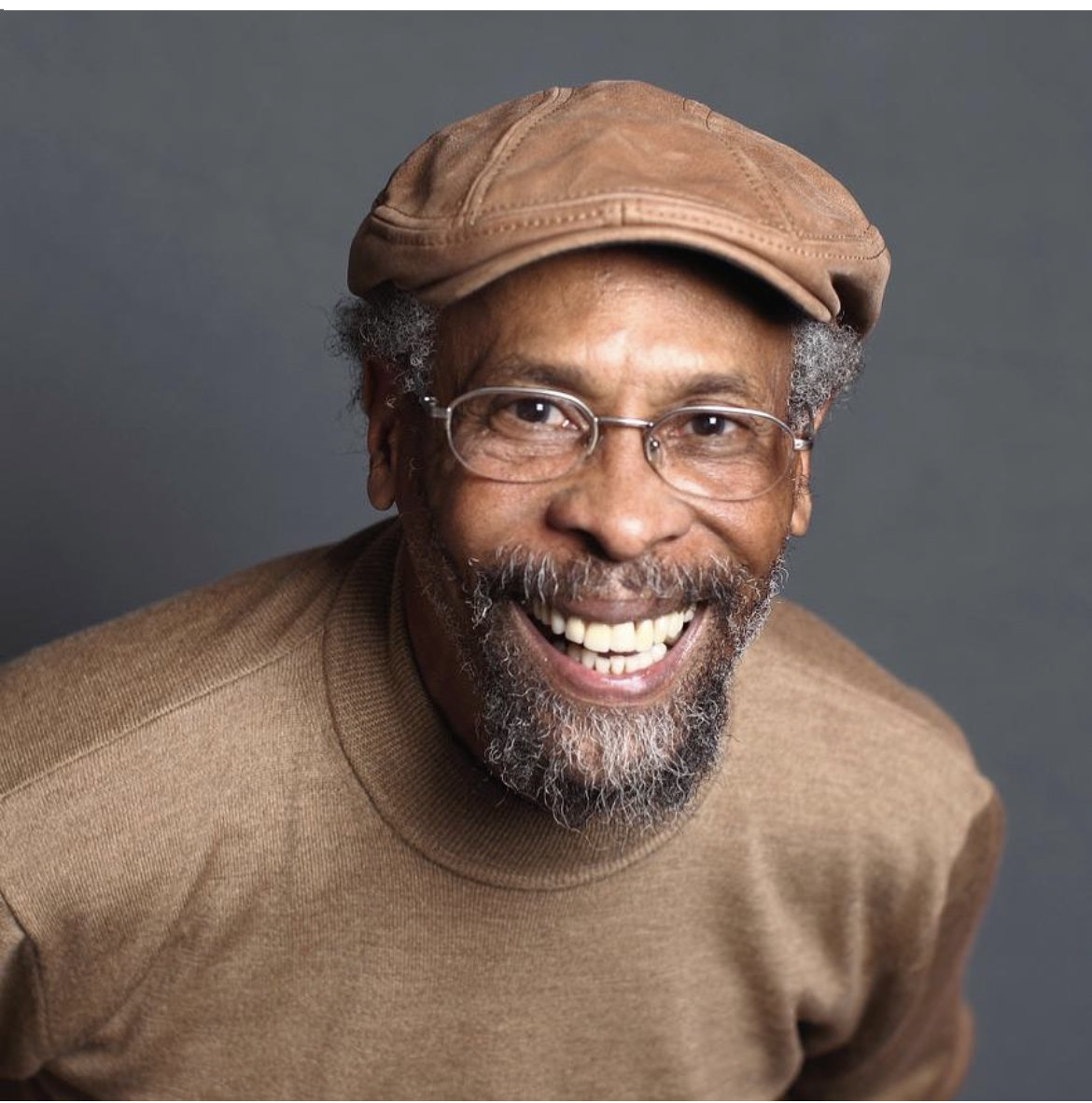
Despite meeting for the first time in person, we had talked so many times before that everyone was comfortable. As we sat on the verandah, he showed me the funeral program with a photo of his mother, taken when she was around 40 years old. She was a striking, slim, elegant woman. He looked just like her, the same slender body and face. I could see that he was sad and I knew that he was grieving so I didn’t want to stay too long. But he insisted that we stay. We sat there chatting with Neville for about three hours.
I sensed a fragility, perhaps brought by his mother’s passing. Details spilled out of him in ways I didn’t anticipate. I knew he hadn’t had dreadlocks for years. He was wearing a cap that day. For me, a personal choice; there was no need to explain. Without me asking about it, he mentioned that he never cut his dreadlocks, people think he may have cut them, they fell out from stress and never grew back. He never veered from his belief in Rastafari. I told him I remember when we first spoke he said he was approaching seventy and he wanted to go back to Ethiopia, so I knew.
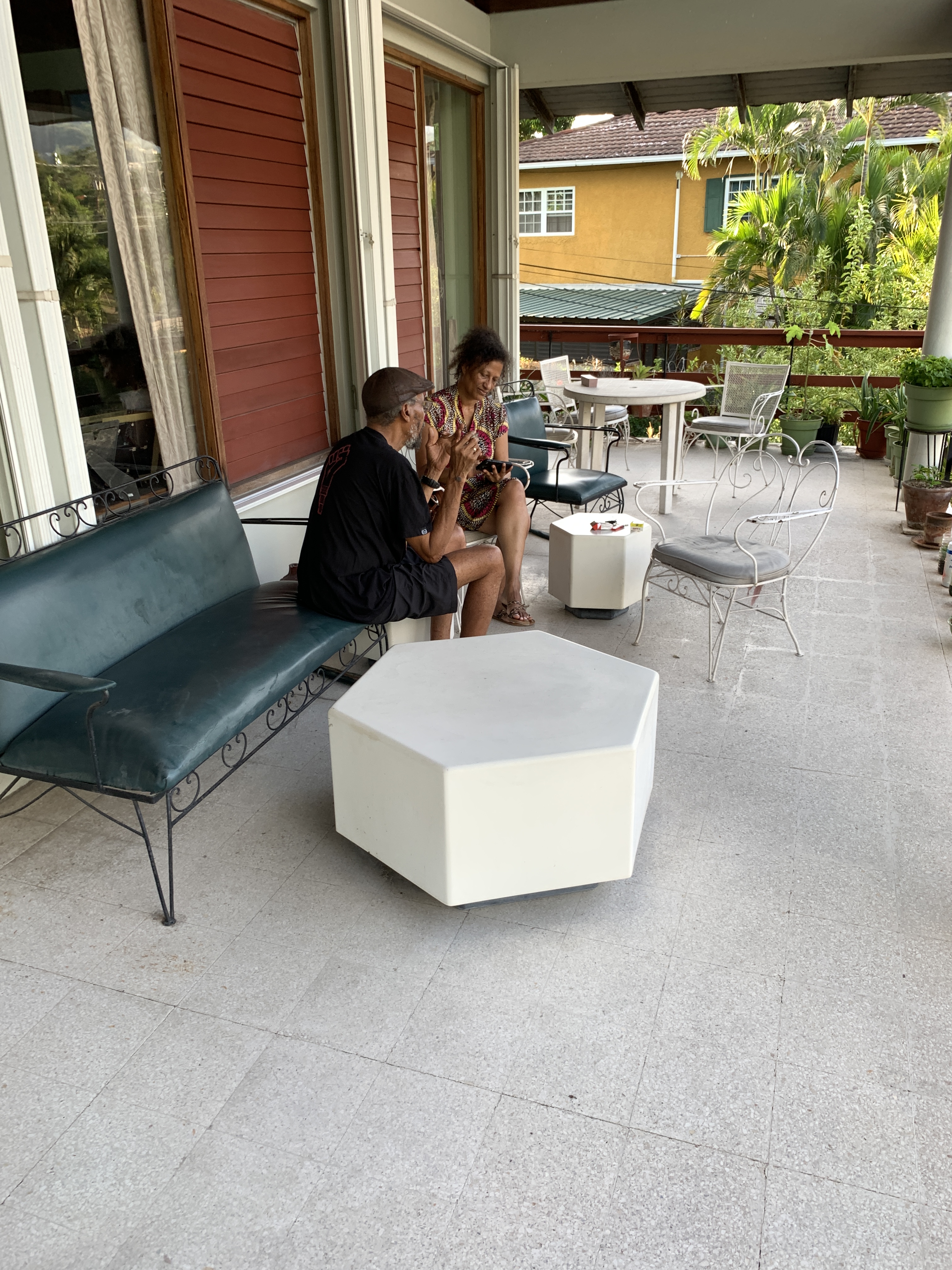
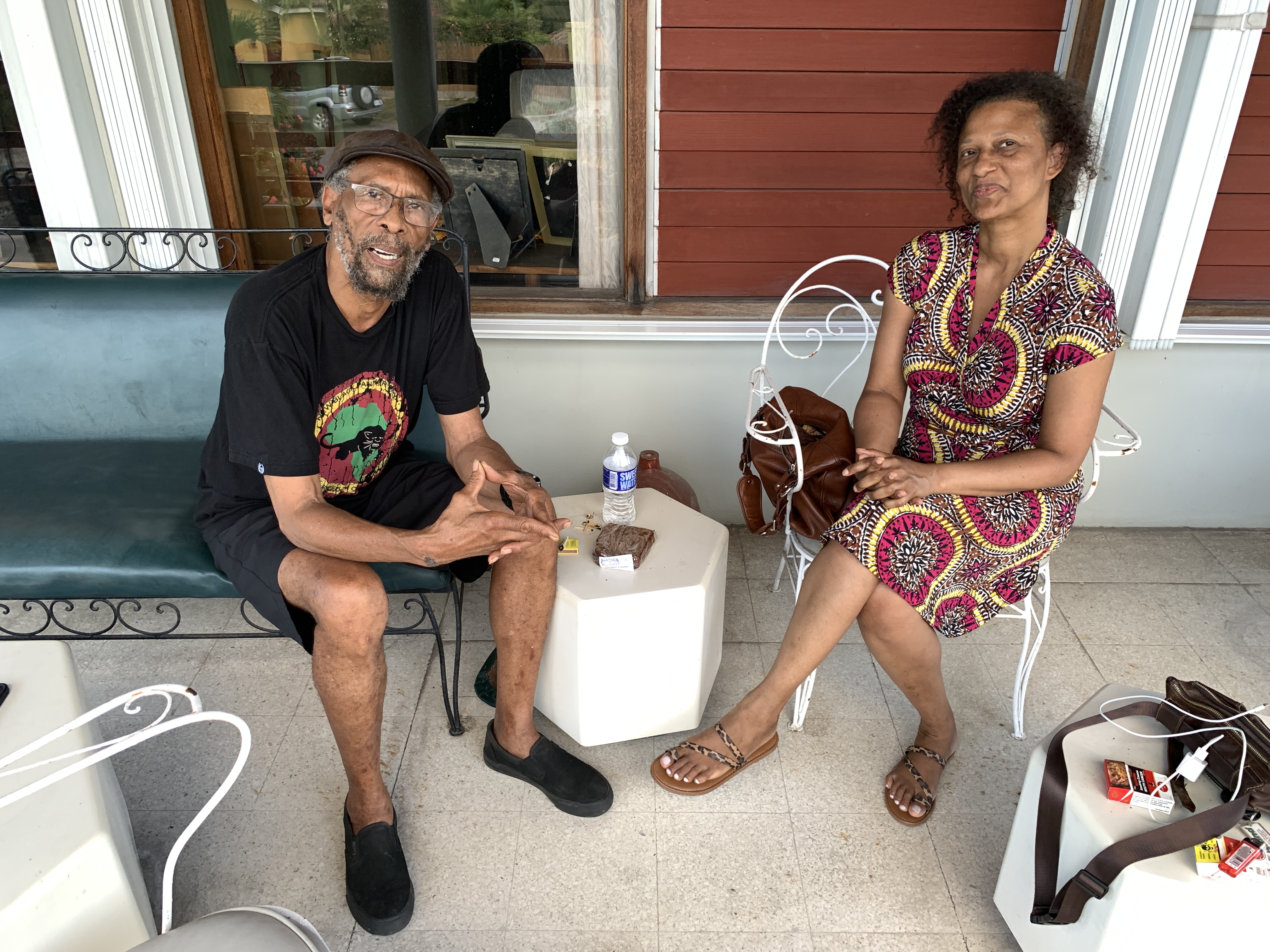
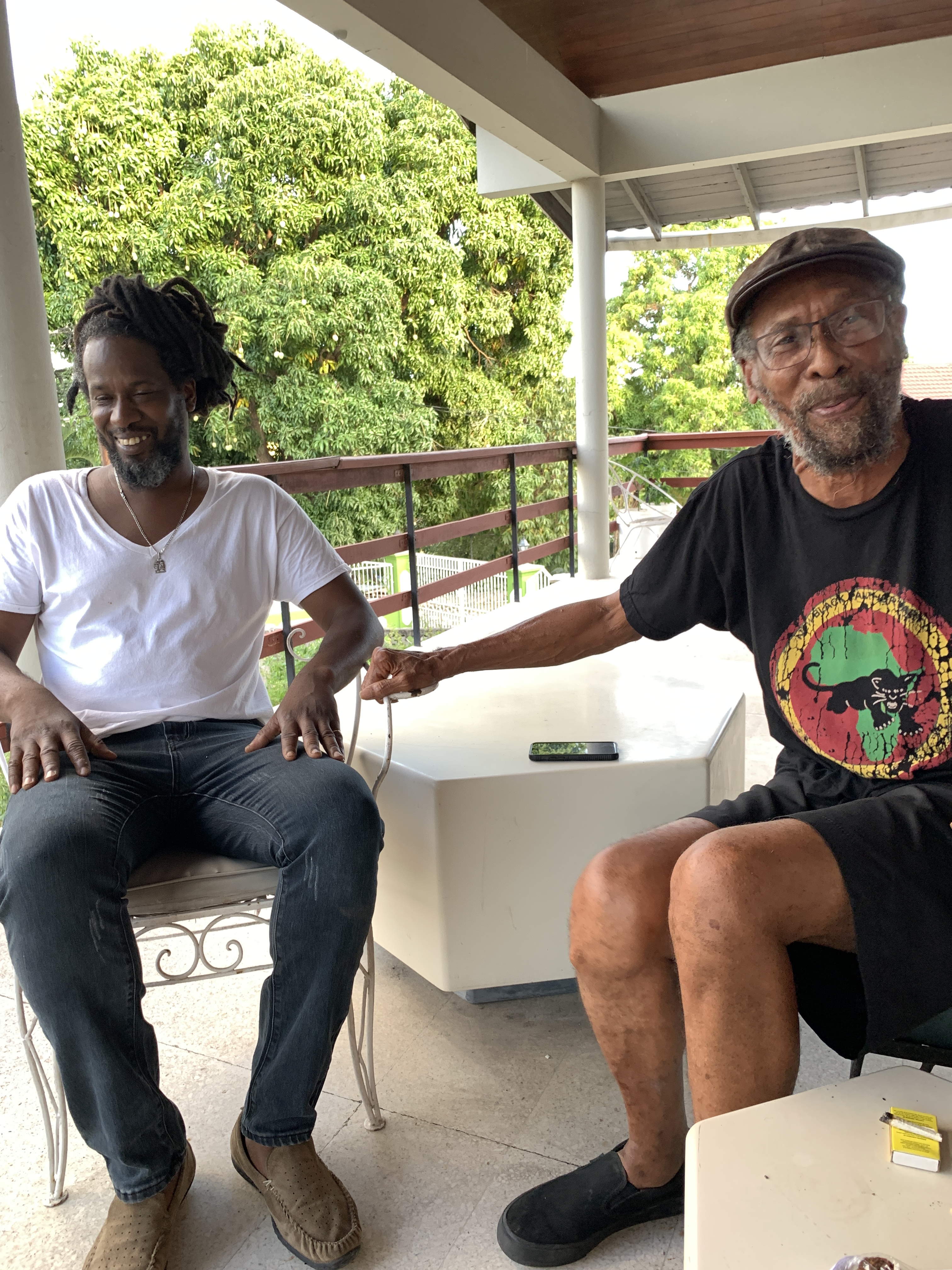
The time came for us to leave, we were still in the pandemic and Kingston had a curfew. I mentioned that we had to go to the supermarket and then head to our apartment. Neville said he needed something at the store, so we suggested that he come with us, pick up what he needed and we would take him back home. We drove down the hill to nearby Liguanea, to the supermarket about 5 minutes away. After shopping, we walked outside to find Neville waiting to go back to the car. He was catching a smoke. As I approached he said to me, “I was just asking myself how did we meet again? Feels like I’ve known you all my life.”
That touched me because it meant that the deep respect I felt for him was returned. I reminded him of my 1970s film project that had stalled. He said, “Oh yeah. What happened with that?” I said, “Oh there’s still no agreement, so I’m just calling it dead.” He remarked, “Man, what a shame.”
I texted him the following day to check on him. My boyfriend and I ended up meeting up with him again and drove him to do an errand. He headed back to Los Angeles the next day.
We remained in touch after that, occasionally he would text me things to check out online. After the pandemic ended, life became hectic and we didn’t speak during the last year. I saw the press about a Bob Marley movie in production and I never called him about it. There were so many opinions from so many places among Jamaicans. I had voiced my own reservations. I knew that Neville had invested years into the legacy of his close friend, it had become a part of his life’s work. I assumed that he was involved in the movie and busy with it. Honestly, I was skeptical about a Hollywood production, but I was hopeful. Meanwhile I was deep in my own work.
On October 23, 2023 I got a text message from Neville. It was the first message I’d gotten from him in a year. I was in Lagos, Nigeria wrapping up a shoot. I had just spent three weeks filming across Nigeria. I had two days left in the country and it was my first day off. I was physically and mentally exhausted. His text was a photo from a Jamaican newspaper about him receiving a National Award from the Government of Jamaica for his work. I was somewhat surprised. I remember in the past he said he had declined national awards, but I was happy for him. I texted him my congratulations. I intended to call him when I returned to the US. On returning home to New York, I mostly slept for four days straight. I became consumed by a stressful personal matter and I didn’t call him. I wish I had called him. I would have heard that he was sick. I was not prepared when I saw in the press in mid-November 2023 that Neville had died. He had discovered that he had cancer and in a few short months he passed.
I am grateful to Neville Garrick for his generousity, his humor and his time. It was a supreme honor to experience his brilliance. I would never have imagined that he could be snatched away so suddenly. I wish I had recorded him, asked more intelligent questions. Why didn’t I ask him about his memories of Redemption Song, my favorite Bob Marley song? I started to pick apart memories. I asked my boyfriend, “Remember the day when we went to the supermarket? Did you hear him? He said, “Yes. He said he felt like he’d known you all his life.” It’s still surreal that I met Neville and got to know him. I am comforted that his son recorded him for his documentary film.
I have been trying to finish writing this tribute to Neville for weeks. As I write, Jamaicans are debating on social media about the Bob Marley movie about to be released.
The film Neville worked on for over 25 years is released in February, three months after his death. I attend one of the first screenings on opening day in New York City. I find myself holding my breath for the first 10 minutes. I had grown up with so many awful representations of Jamaicans and Rastafari in movies, almost cartoonish, almost always with an awful accent. But I find the lead actor embodies Marley and sounds Jamaican. I relax with relief. Onscreen are flashes of the political violence I remember from my childhood. We dive deep into Marley’s spirituality. I enjoy the film and the audience applauds. Later, at home, I look at the press about the movie. In an interview, the lead actor says that he studied Marley for months. In addition to having had Jamaican dialect coaches, Neville Garrick was with him through the whole process of filming; he would tell him the nuances of speaking like Marley, how Marley would have said certain things, how Marley would have reacted. I am reminded of Neville’s great love for his friend. By sunday, five days after the film’s release, the movie is the number 1 movie in the US. I see scores of people on social media talking about the film. I can just see Neville laughing and smoking a spliff.
I would like to see a permanent exhibition of Neville Garrick’s work in a collection housed in Jamaica, preferably at Jamaica Music Museum in Kingston. His body of work is unmatched. He helped to define the visual representation of Jamaica, African diasporic people, Rastafari, capturing the defiance of the reggae genre, and the unique philosophy of Rastafari. His work needs to be preserved and showcased.
 Queendom Films
I met Neville after I left high school in 1985 (Kingston College). I was an aspiring artist and he and his wife needed an apprentice to help work on their “Pickney Racks”. I later studied Graphic Design at Edna Manley College because of his influence. It was a privilege to have been influenced by him, artistically and otherwise.
LikeLiked by 1 person
Thank you for sharing. Best wishes.
LikeLike