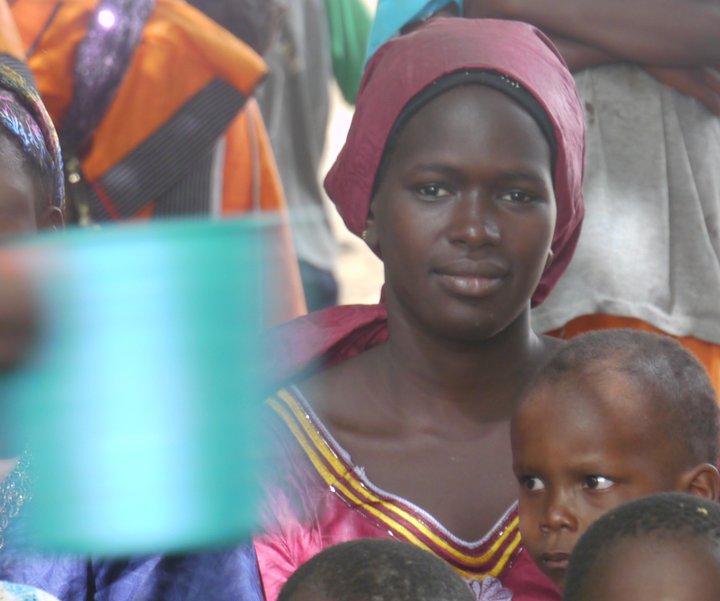
Over the past decade, I have traveled in rural parts of Africa, mostly Zimbabwe and Senegal. Although I have met many city people, often they are harder to talk to and difficult to photograph. I have found that rural people, although as complicated as people everywhere else, often move at a slower pace and are easier to talk to as total strangers. These are a few people I met who I will never forget.
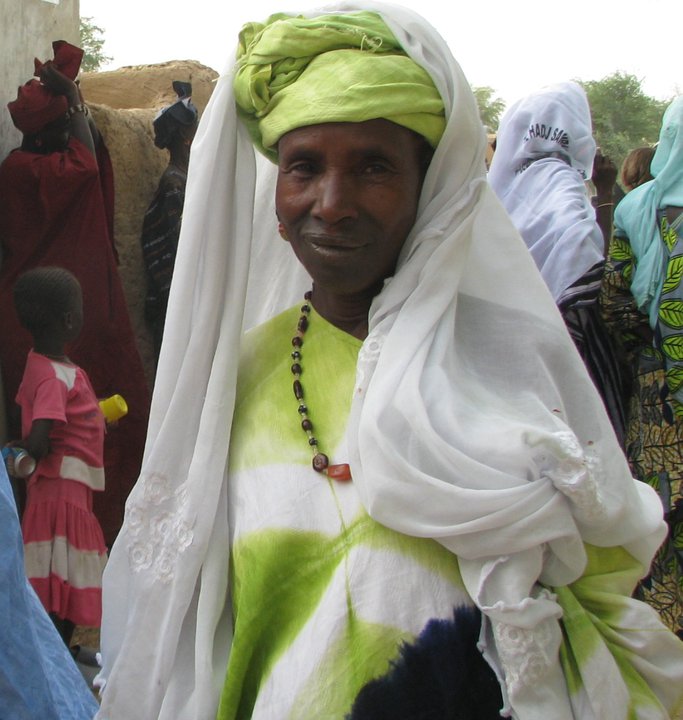
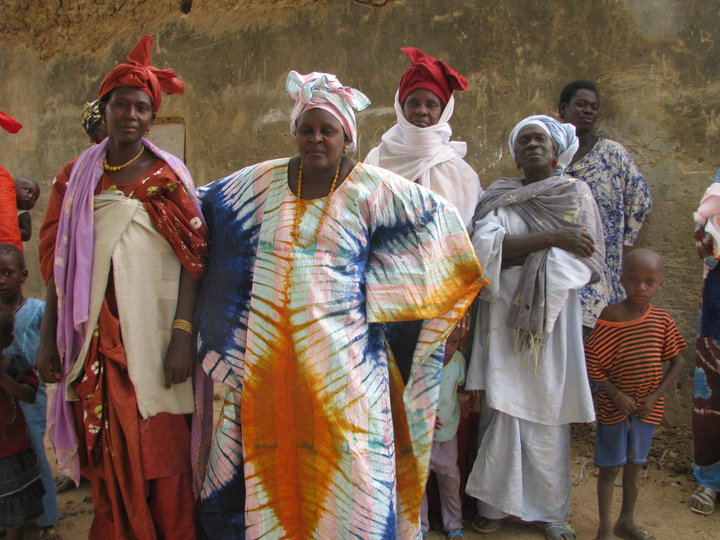
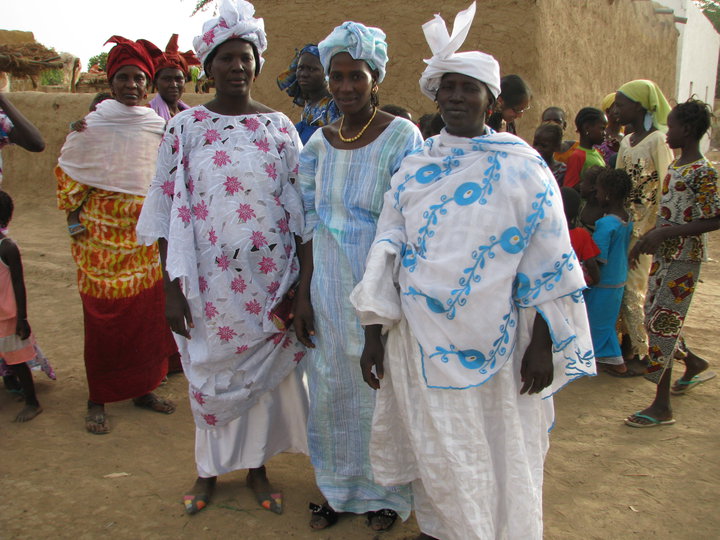
I visited the village of Ngaole in northern Senegal, in June 2010. It dates back a hundred years and is made up of a few hundred people, living in buildings with dirt walls in a dry, desert-like region. Mauritania, Senegal’s neighbor is literally on the other side of the river that runs past Ngaole. At the time, I was one of a group of about twenty graduate students visiting the village with my professor, whose grandparents were from that village. We were traveling across Senegal and this was a homecoming for her. The entire village came to welcome us. We received a loud, warm welcome, where women danced and sang in Wolof. I was struck by the physical beauty of many of the people and the fact that although they provided a meal of fried fish and french fries for us, none of the hosts ate. I wondered why they were not eating; they just sat and watched us eat. I wondered was there not enough for all? I didn’t want to seem rude, so ate it all off. Everyone seemed very happy to see that our professor had done so well for herself abroad. Many people were very excited to meet me. I was the first person they were meeting from Jamaica. People wanted to talk about Bob Marley and asked me did I have any music. I treasure that day.


Zimbabwe

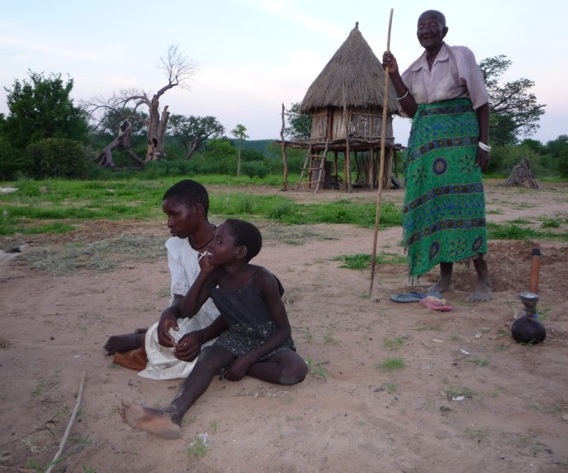
In October, 2011, I was in Binga, Zimbabwe, possibly the most remote region of Zimbabwe and among the least developed areas of the country. I had interviewed a group of young women about what was happening in the region, for a documentary film. What were the challenges of everyday life there. Theirs was a very different life than mine. They lived mostly in huts without electricity and getting water meant walking for miles. Polygamy is common in Binga where most people are of the minority Tonga ethnic group and young girls generally marry as teenagers into polygamous unions. Many of the young women I was talking to had not finished school. When the conversation ended and I said, Thanks. They said. “Wait?! But you have to tell us about YOUR life. Where are you from? Why did you come to Zimbabwe?” They essentially asked me everything I had asked them. It was a great lesson. Because these people were dirt poor did not mean they had no agency. The young woman in the photo was spunkier than most of the others. I had asked her what was her hope for her life, thinking maybe I could help pay for training or education. She surprised me when she responded, “I need a husband, a good one. These men in Binga are a joke. Maybe you know a good one where you are from. You know any good men in Jamaica?” She was twenty, divorced with a two year old daughter who was wearing a blue dress and no underwear. She was feisty and laughing at her life, but underneath it she was serious. I regret that I cannot remember her name.

Edson
I will not forget Edson, who I also met that day, firstly because I thought he was handsome with a very soft, almost feminine air about him. When we met he was sitting in a wheelbarrow with his leg bandaged outside the local snake bite healer. He had been bitten by a snake the previous day. Although he was in pain, he sat calmly, almost stoically and chatted casually about Binga. He said he was in bed at night when the snake bit him and slithered out of his hut but he had managed to kill it.
Prepare
I met Prepare in January 2009 in Binga. She was feisty, bright and mischievous, a beautiful child with an easy laugh. She was nine years old. Her mother was the younger, beautiful second wife of an old blind man. Because her father was blind, when I sat talking to him in his homestead, she chirped in and she described me to him in detail. She had an air about her that was wiser than her years. It was the hungry season in Binga then, meaning the dry season when there are no rains and people have little food. In fact, I met people who seemed to be on the brink of starvation. There was nothing to be reaped in Binga and because they are about five hours drive from the nearest town, Bulawayo, with little or no transportation, they had no access to food. I had stopped to buy crafts elsewhere in the area and when I offered money, everyone asked didn’t we have food instead. At Prepare’s house, when we started sharing the limited portions of maize and vegetarian chunks we had brought as gifts, about two dozen neighborhood kids came and grabbed what they could. We had one pack of cookies which I gave to Prepare. I saw her sneak around the corner of her mother’s hut where she ate the cookies, so she could have that pleasure for herself. There were so many kids that she would have had to share the small bag with everyone and maybe she would have had only had one cookie for herself. Something about that act, made me like her more. It wasn’t selfish. She wanted to savor this treat that was hers and faced with the prospect of having to give them all away, she kept her cookies secret.
When I returned to Binga two years later, expecting to see her again, I learned that her blind mother had left her father. Her mother had left to be a beggar on the streets of Victoria Falls which gets lots of tourists. She had brought Prepare with her to lead her. Every time I see this picture, I think of her and hope that she is okay.
 Queendom Films
Leave a comment